Saffron: The Ancient Persian Gold Now at Perse
Welcome to The Translator, where we decode Persian cuisine for the modern table. Today, we explore saffron—the most precious spice on earth, and the very soul of Persian cooking.
It is the spice that colors the robes of Buddhist monks, perfumes the courts of Persian kings, and turns a simple dish of rice into a golden treasure. It is saffron: the world’s most costly spice by weight, and the heart of Persian cuisine.
But not all saffron is created equal. At Perse, we have spent years finding the source that meets our standards. And we found it in the place where saffron’s story began: the Khorasan region of Iran.
What Is Saffron? The Flower Behind the Spice
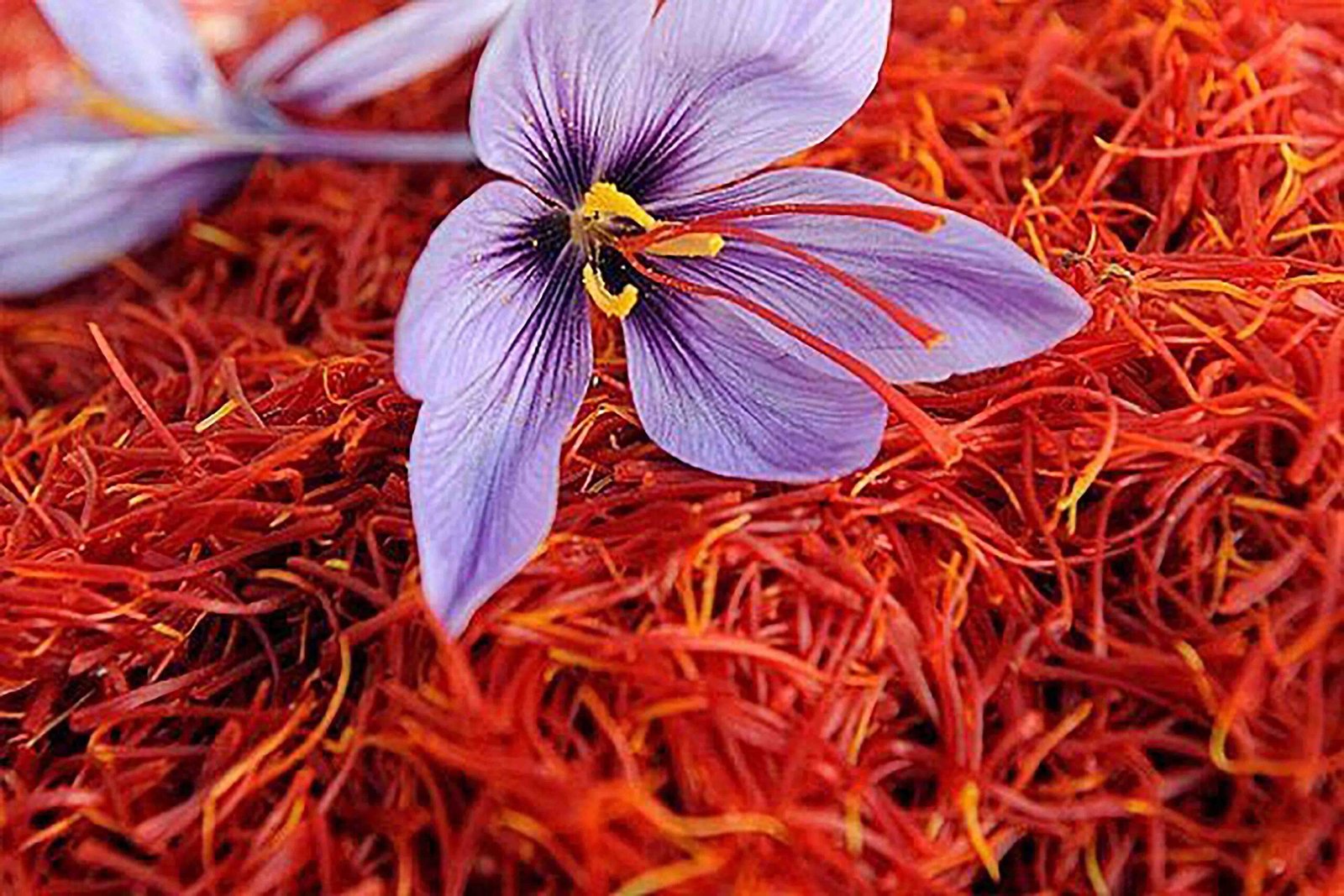
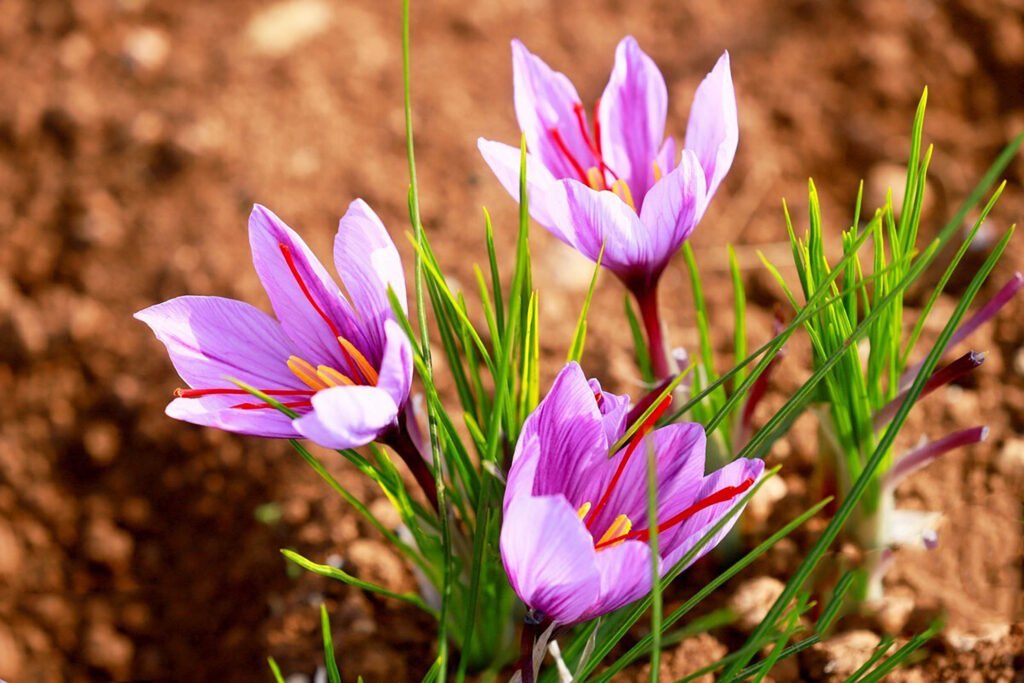
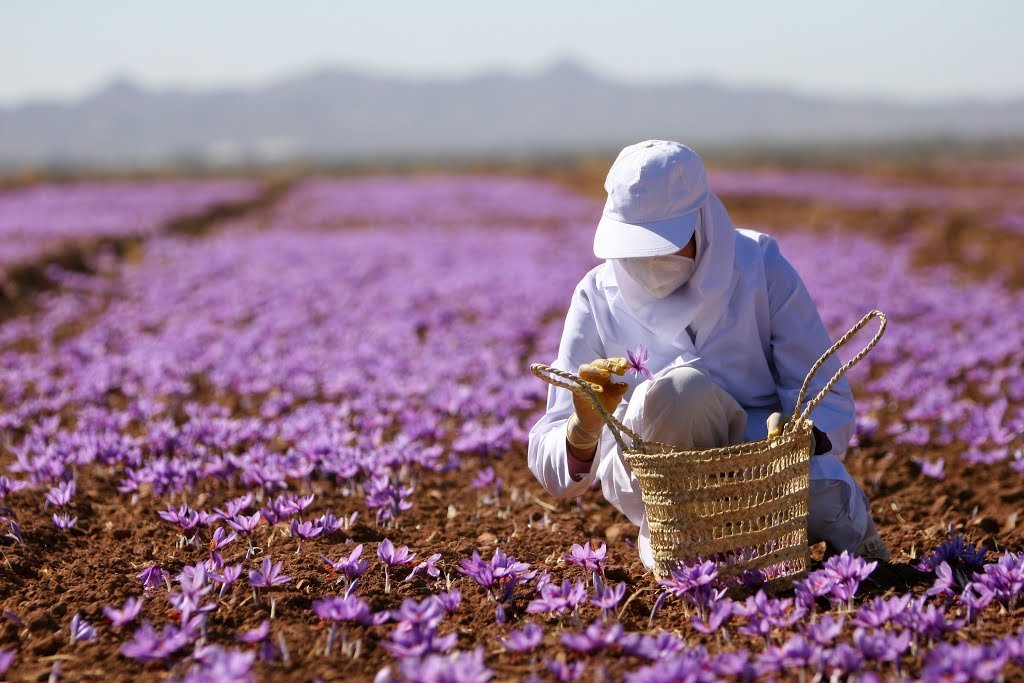
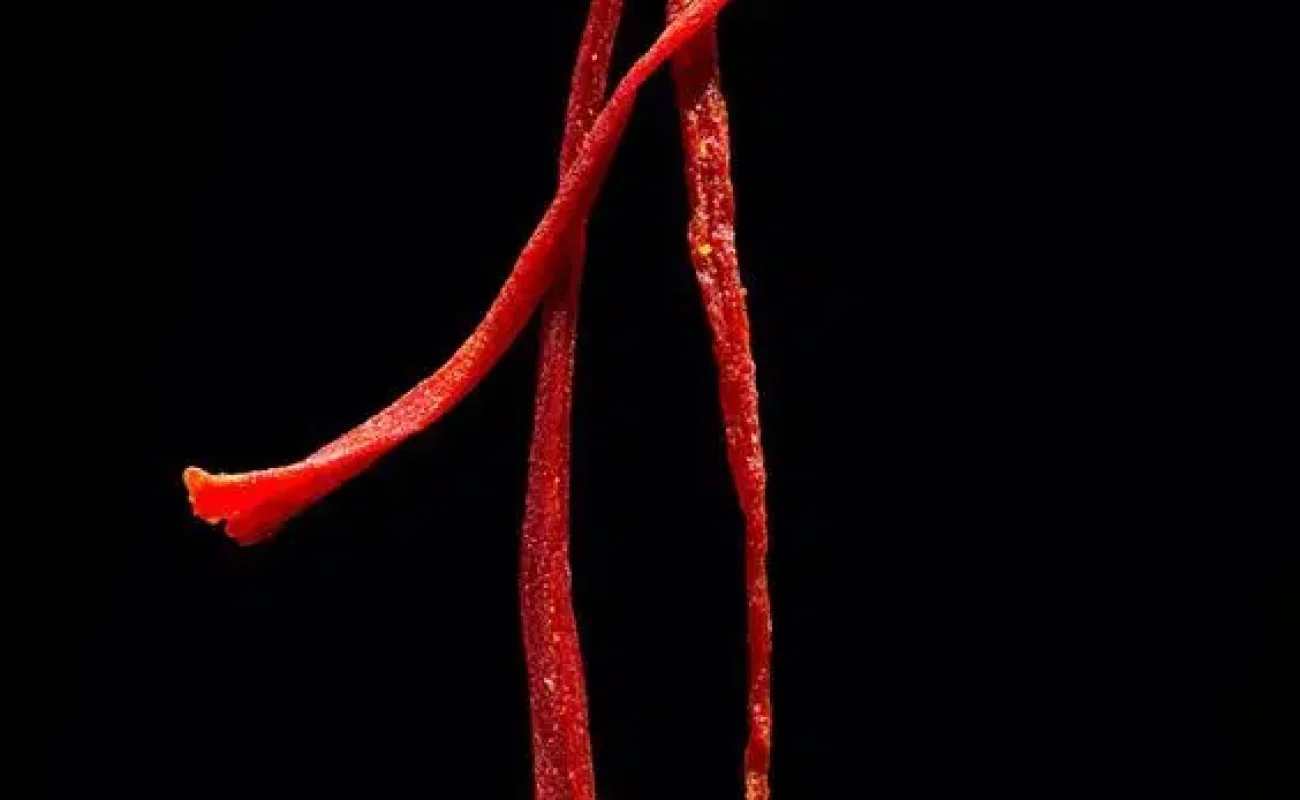
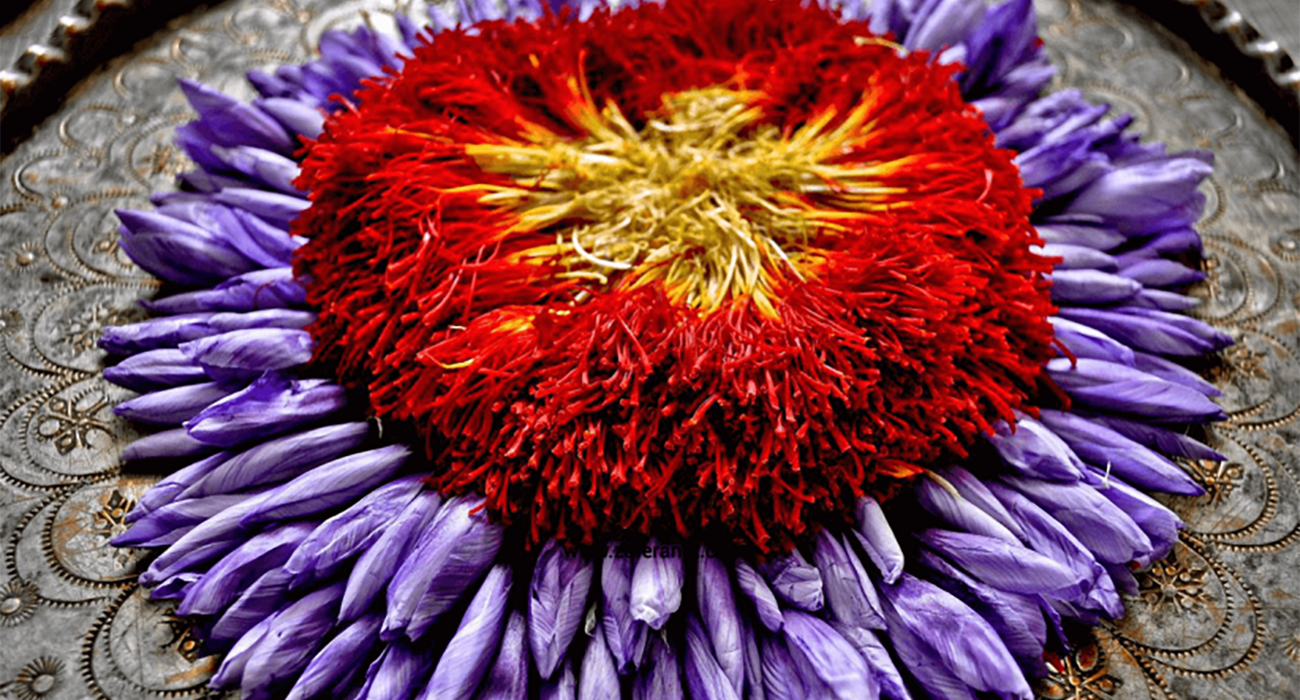
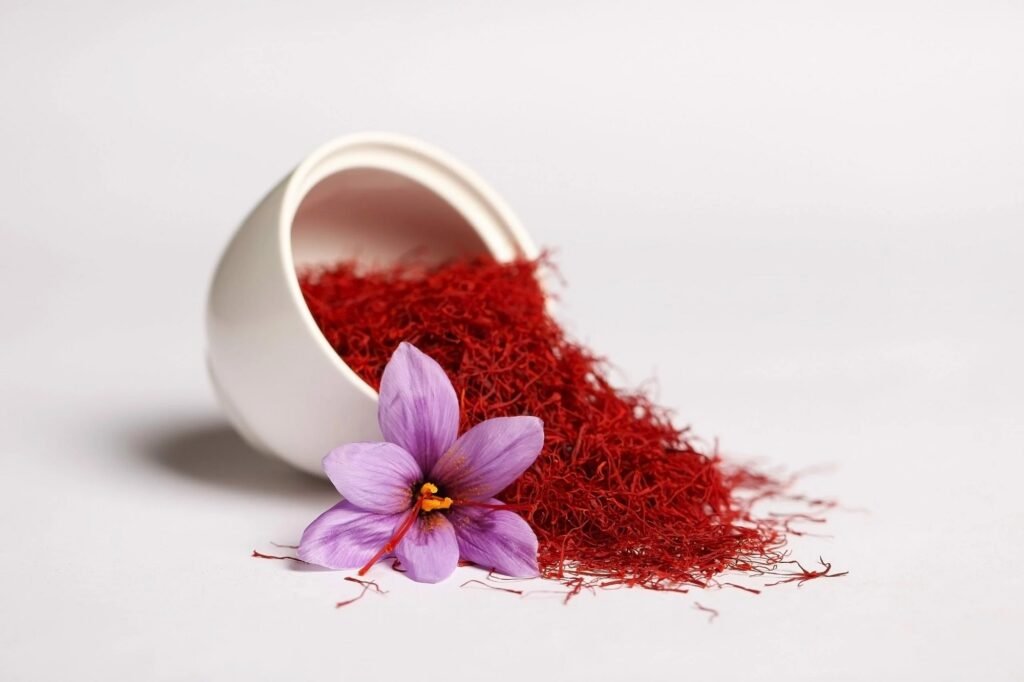
Saffron is derived from the flower of Crocus sativus, commonly known as the “saffron crocus.” From each flower, three delicate, crimson stigmas are hand-picked and dried to become the threads we know as saffron.
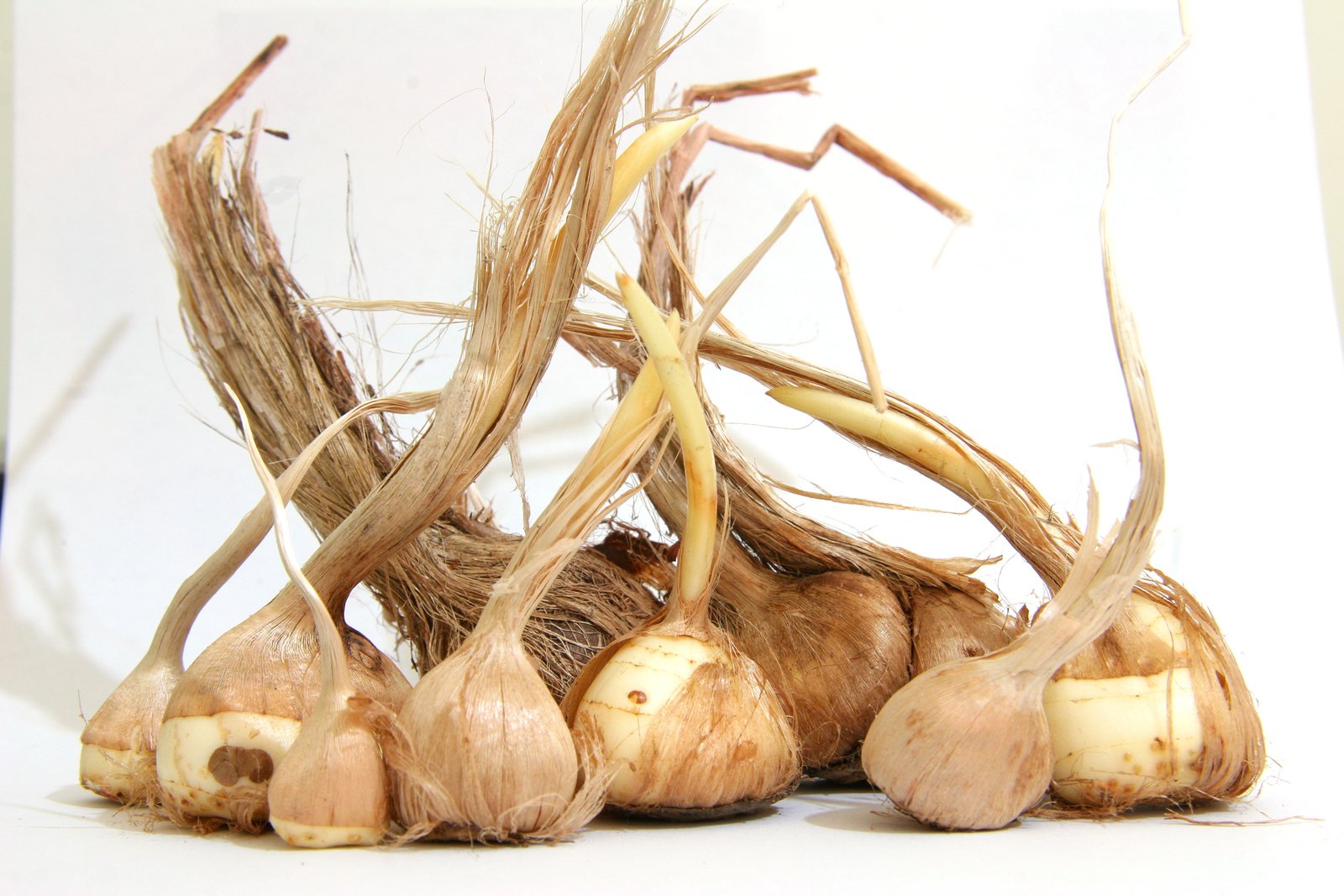
The plant is a sterile triploid, incapable of producing seeds. It has been propagated by humans for over 3,500 years, passed down through generations of farmers who divide and replant its corms by hand. As the sources note, it is a plant entirely dependent on human care, and human skill.
Its English name likely originates from the Old French safran, tracing back through Latin and Persian to the word zarparān, meaning “gold strung, “a reference to its golden filaments and the rich hue it imparts. In Persian, it is za’feran (زعفران), a word so ancient it appears in Middle Persian texts.
The Khorasan Connection: Where Saffron Was Perfected
While saffron’s wild ancestors may trace to Greece, it was in Iran, specifically the Khorasan region, that saffron was perfected and transformed into the spice we know today.
According to the literature we reviewed, the best saffron has long been associated with Khorasan. The 14th-century historian Hamdallah Mustawfi wrote that the finest saffron came from Kuhistan (in today’s South Khorasan) and Badghis, describing it as tending toward red, with styles that carried a hint of white.
Today, Iran produces some 90% of the world’s saffron. And the heart of that production remains Khorasan. It is here, in the villages and fields of this ancient land, that the knowledge of saffron cultivation has been passed down for millennia.
What Makes Our Saffron Different?
At Perse, we do not buy commodity saffron. We source extremely hard-to-obtain, extra-superior-quality saffron from a privately harvested field in Khorasan, Iran’s premier saffron region, where the soil, climate, and generations of experience combine to produce something exceptional.
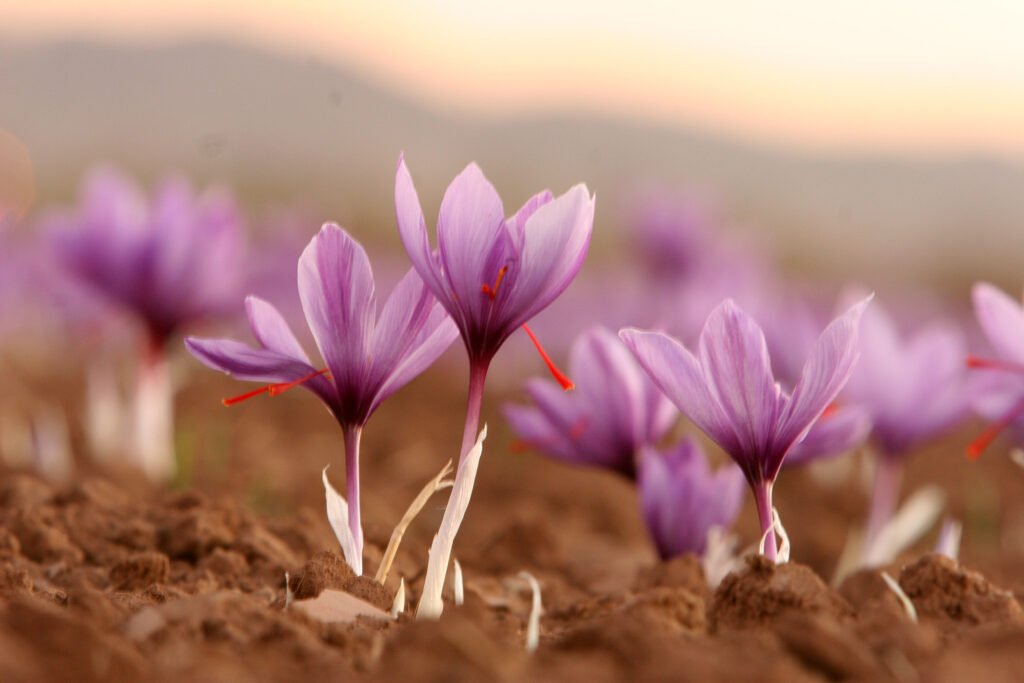
Our saffron is hand-picked at dawn, when the flowers are at their peak, and the stigmas hold their fullest color and aroma. From there, every thread is cleaned manually with extreme care, a labor-intensive process that ensures only the finest strands make it to your plate.
This is not mass-produced saffron. It is the result of intensive monitoring and quality control at every stage, from field to kitchen. And it is graded as Extra Superior Quality, the highest grade, consisting only of the deep-red stigma tips, free from the paler yellow style.
The result? Saffron that delivers the richest color, the most complex aroma, and the deepest flavor. It is the product of extreme care, manual precision, and an uncompromising commitment to quality. Every thread is a testament to the farmers who have spent their lives perfecting this craft.
Why Saffron Is the World’s Costliest Spice
The source notes the staggering labor required: it takes some 440,000 hand-picked stigmas to produce a single kilogram of saffron. That’s 150,000 flowers. Forty hours of labor. All for one kilogram.
Each flower must be picked at dawn, before it wilts in the sun. The three stigmas are then separated by hand, with a skill that takes years to develop. They are dried immediately, sealed in airtight containers, and handled with the reverence they deserve.
At over US$5,000 per kilogram, saffron has long been the world’s most expensive spice. And at Perse, we believe it is worth every penny.
The Chemistry of Magic: Picrocrocin, Safranal, and Crocin
Saffron’s magic lies not just in its history but in its chemistry. Three key compounds work in harmony to create the spice’s distinctive character, and each plays an essential role in the cooking experience.
Crocin is the pigment responsible for saffron’s most immediately recognizable trait: its color. This carotenoid compound infuses dishes with that rich, golden-yellow hue that has made saffron synonymous with luxury and celebration for millennia. When you see rice transformed into gold, you are witnessing crocin at work.
Then there is picrocrocin, the bitter glucoside that gives saffron its pungent, almost medicinal flavor. This slight bitterness prevents saffron from being merely sweet or one-dimensional, grounding its flavor profile in something deeper and more complex. Interestingly, picrocrocin is a truncated version of the carotenoid zeaxanthin, created through oxidative cleavage, nature’s way of building complexity from simplicity.
Finally, there is safranal, the volatile oil responsible for saffron’s distinctive aroma, that hay-like, almost honeyed fragrance that fills the kitchen the moment saffron touches warm liquid. When saffron is dried after harvest, heat and enzymatic activity split picrocrocin, yielding safranal. It is a transformation that occurs during drying, a chemical poetry written by generations of farmers who understood exactly when to harvest and how to dry.
Together, these three compounds, crocin for color, picrocrocin for taste, and safranal for aroma, create the complete sensory experience that is saffron. Remove any one, and the magic fades. Keep all three in balance, and you have something worth treasuring.
Saffron in Persian Cuisine: More Than a Spice
In Persian cooking, saffron is not an afterthought. It is the foundation.
It colors the rice in chelow and creates the golden crust of tahdig. It perfumes the slow-cooked stews like khoresh-e fesenjan and khoresh-e ghormeh sabzi. It transforms simple desserts into celebrations: the saffron rice pudding sholeh-zard, the frozen rosewater and saffron dessert bastani sonnati.
At Perse, we use our Khorasan saffron throughout the menu:
- Saffron-infused Tahdig, available as a golden, crisp side
- Saffron Lamb Chops, marinated in saffron yogurt and herb butter
- Saffron & Rose Sharbat, a refreshing mocktail
- Persian Panna Cotta with saffron, yogurt, and pistachio
- Saffron Ice Cream with carrot glaze and pistachios
Each dish is a translation, a way of honoring the ancient tradition while presenting it for the modern table.
The Perse Difference: Why Our Saffron Tastes Different
When you taste a dish at Perse that contains saffron, you are not just tasting a spice. You are tasting:
- A 3,500-year history of cultivation and trade
- The soil of Khorasan, where the knowledge of saffron was perfected
- The hands of farmers who picked each stigma at dawn
- Extreme quality control that rejects anything less than exceptional
- Our commitment to honoring tradition through precision
We could buy cheaper saffron. We could source from places where labor is less skilled or quality less controlled. But that is not Perse. We believe that the soul of Persian cuisine lies in ingredients treated with reverence, and saffron is the soul of so many dishes.
The next time you taste saffron at Perse, remember: you are tasting gold. Persian gold. From a private field in Khorasan, picked by hand, with extreme care.
Ready to taste the gold?
Experience our saffron-infused dishes. We save you a seat at the table.
Make A Reservation
*Powered by OpenTable
Explore more from The Translator and our Knowledge post:
• Tahdig Isn't Burnt Rice. It's the Crown.
• Kabab & Koobideh: Fire, Poetry & the Perfect Bite